







Watch New Movies Online 9nung Without the Blurry Picture and Bad Audio
You’ve waited weeks for a film to reach streaming. You press play, 9nung and the opening scene looks like it was filmed through a steamed-up window. Ten minutes later, the voices drift out of sync with the actors’ lips.
It happens more than it should. Most of the time, the cause is something you can check or change. This guide looks at what actually decides picture and sound quality, how to pick between Thai dubbing and subtitles, and what to do when a new release won’t play smoothly.
When New Movies Arrive Online
A quick note on timing first, because it saves a lot of searching.
New films open in cinemas and usually stay there for a month or more. After that, many appear as paid rentals on services like Apple TV or Google TV. A few weeks or months later, they reach subscription platforms such as Netflix, Disney+, Prime Video, or HBO Max.
Sites that claim to stream a film still in its cinema run are almost always unlicensed. The copy is often a shaky recording, and the pages tend to carry risky pop-up ads. If a film is in theaters, the cinema is still the place to see it.
What Picture Quality Actually Depends On
Resolution gets most of the attention, but it’s only one part of the story.
Resolution: 4K vs 1080p
4K Ultra HD has four times the pixels of 1080p Full HD. On a 55-inch or larger TV, the difference shows in fine detail like hair, fabric, and faces in wide shots.
On a phone or a small laptop screen, though, most people can’t tell the two apart. If your internet is slow, 1080p will often look better in practice because it plays without constant drops in quality.

Bitrate: The Part Nobody Mentions
Bitrate is how much data per second a stream uses. Two videos can both say “4K,” but the one with the higher bitrate will look cleaner.
Low bitrate shows up in a few familiar ways. Dark scenes turn blotchy, fast action looks smeared, and skies break into visible color bands. Licensed services usually stream at steady bitrates, which is one reason their picture holds up better than unofficial copies.
HDR
Many new releases also stream in HDR formats like Dolby Vision or HDR10. HDR widens the range between the darkest and brightest parts of the picture.
It needs a TV that supports it, and on some plans it’s only included at the higher tier. When it works, sunsets, explosions, and night scenes look far more natural.
Getting Clear Sound
Bad audio can ruin a film faster than a soft picture.
Most streaming apps offer stereo on every plan and 5.1 surround or Dolby Atmos on selected titles. You’ll only hear the benefit through a soundbar or speaker system, not built-in TV speakers.
If dialogue is hard to follow, look for a “clear voice” or “dialogue” setting on your TV or soundbar. When the sound drifts out of sync, pausing and restarting playback usually fixes it. If it keeps happening, check for an update to the app or your TV’s software.
Thai Dubbing or Subtitles?
For many viewers in Thailand, the language options matter as much as picture quality.
When Dubbing Works Well
A good Thai dub lets you follow the story without reading along. It’s especially handy for animated films, family nights with young kids, and busy action Watch New Movies where your eyes are on the screen.
The best dubs don’t just translate word for word. They adapt jokes and expressions so they land naturally for Thai audiences, and they match the tone of each character.
When Subtitles Are the Better Choice
Subtitles keep the actor’s real voice, and a lot of performance lives in voice. Comedies, dramas, and Korean or Japanese films often feel more complete this way.
Well-made subtitles are timed to appear as each line starts and use natural Thai phrasing. Poorly made ones read like a machine translation and can confuse the plot. Official streaming services pay professional translators, so the difference is usually noticeable.
Switching Between Them
On most apps, tap the speech-bubble icon during playback to see the audio and subtitle choices for that title. Not every film has a Thai dub, and your region affects which languages appear.
Choosing What to Watch
New releases can be hit or miss, so a few minutes of checking helps.
Read a short plot summary before you start, but stop before the second paragraph if you want to avoid spoilers. IMDb gives a quick overview, cast list, and runtime. Rotten Tomatoes shows critic and audience scores side by side, and a big gap between them is a hint to read a couple of reviews.
To find out where a specific new movie is streaming in Thailand, JustWatch lists every service that has it, along with rental prices where they apply.
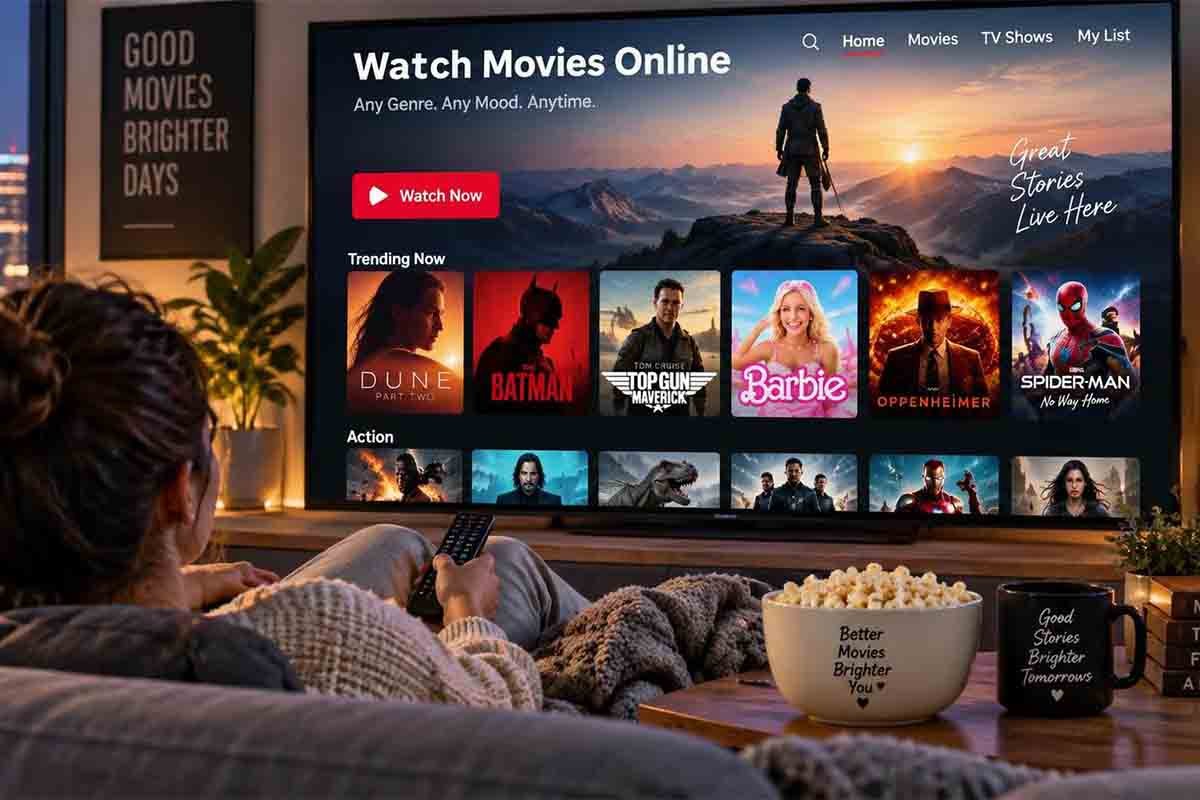
Fixing Buffering and Quality Drops
Streaming apps adjust quality to your connection. When the picture suddenly goes soft, your internet is usually the reason.
Start with a speed test. Netflix suggests at least 15 Mbps for 4K, and some services recommend closer to 25 Mbps. If you’re below that, set playback to 1080p and it will likely look better overall.
Wi-Fi loses strength through walls and floors. Moving the router closer to the TV, or connecting with a network cable, often solves the problem in one step.
Other devices matter too. A game download or video call in another room can pull your stream down during peak evening hours. Keeping your TV, streaming stick, or browser updated also helps, since newer versions handle video more smoothly.
Conclusion
To watch new Watch New Movies online in good quality, look past the “4K” label. Bitrate, HDR support, and a steady connection decide what you actually see. Pick Thai dubbing or subtitles based on the film and who’s watching, and do a quick review check before you commit two hours.
Most of all, wait for the legal release. The picture is better, the translation is done properly, and you’ll spend the evening watching the film instead of closing pop-ups.










Leave a comment